
Mallard Ducks
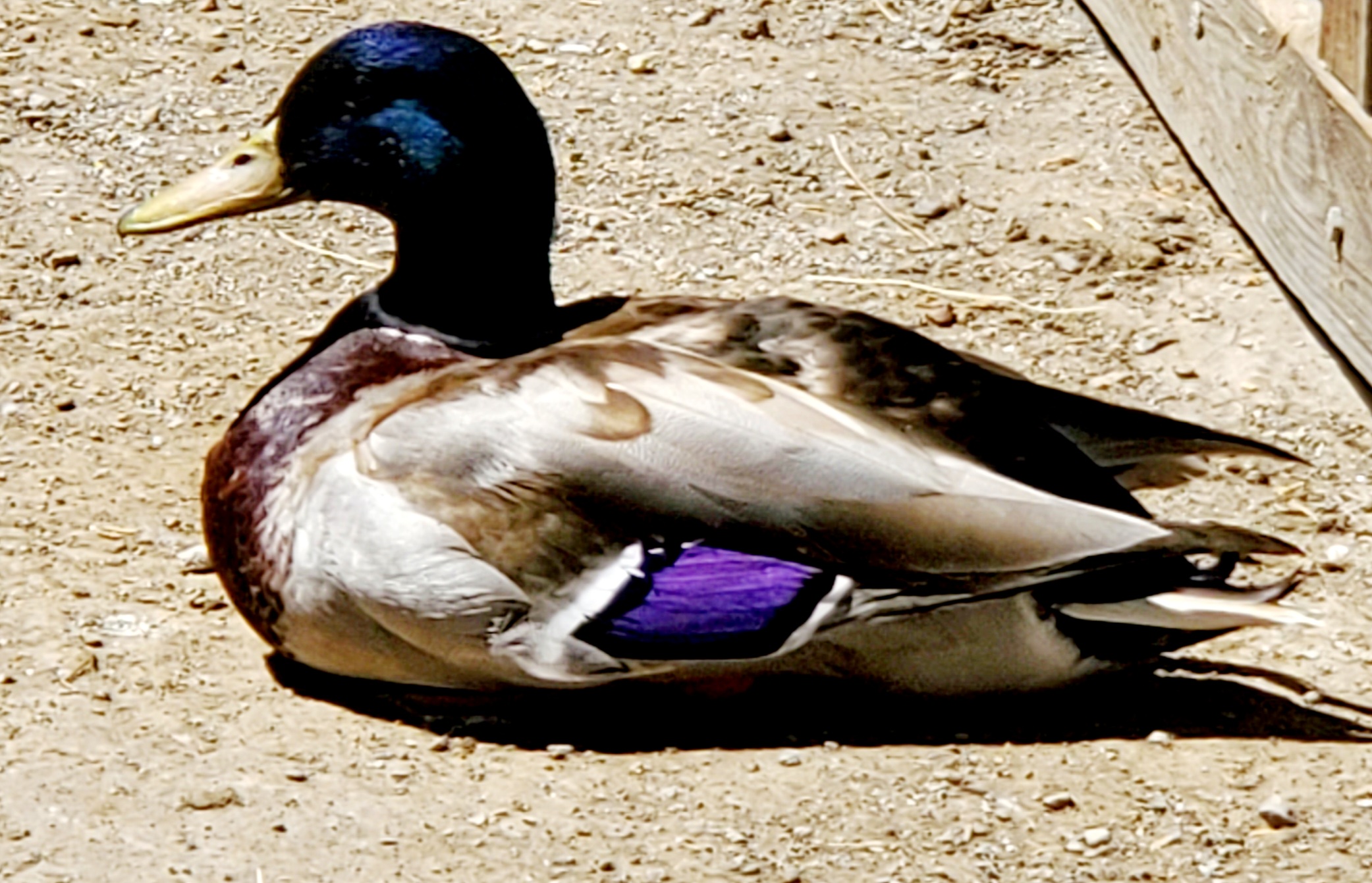
Ducks at the Zoo
Carl
Was brought to the zoo with injuries that left them flightless – they now live in the Marsh Bird exhibit.
Description
(Anas Platyrhynchos)
One of the most abundant ducks in the world and the ancestor to most blood lines of domestic ducks. They forage in water by dabbing or submerging their head and neck; on land, they graze, pluck seeds and will even grub for roots
What do they eat?
They are omnivorous, but mostly plant material – lots of grasses and weeds, acorns, seeds, insects, crustaceans, tadpoles, frogs, fish to name a few.
How long do they live?
5-10 years in the wild.
How many can be laid in a clutch?
7-10 eggs on average.
Where are they found?
They are widespread over most of the Northern Hemisphere. Some feral populations are permanent residents, but nearly all wild Mallards in North America are migratory.
Interesting facts:
- The male Mallard is called a Drake; female Mallard is a Hen.
- While they look slow in the water, Mallards can fly at a top speed of about 70 MPH!!
- When in the air, a group is called a Flock; on the water, a group is called a Sord.
See also
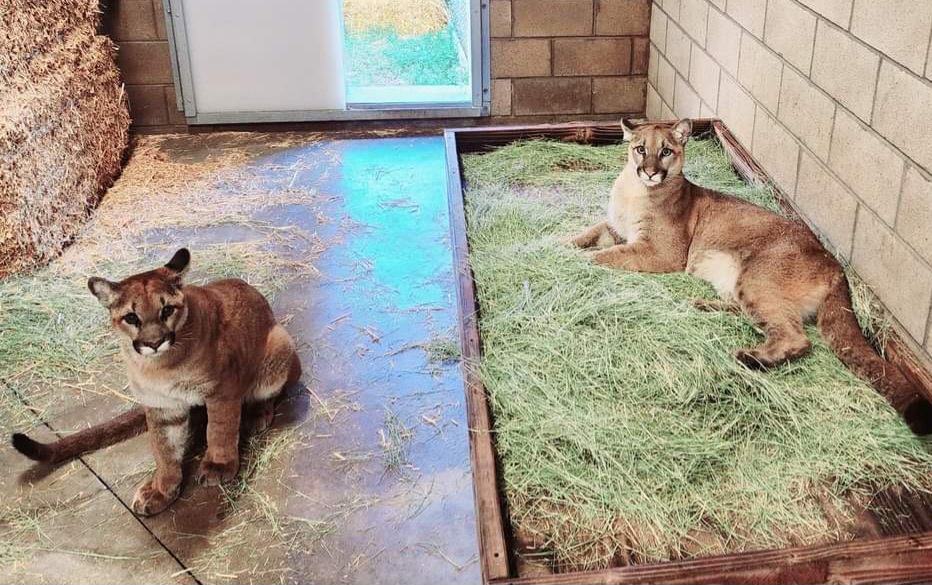
(Puma concolor)
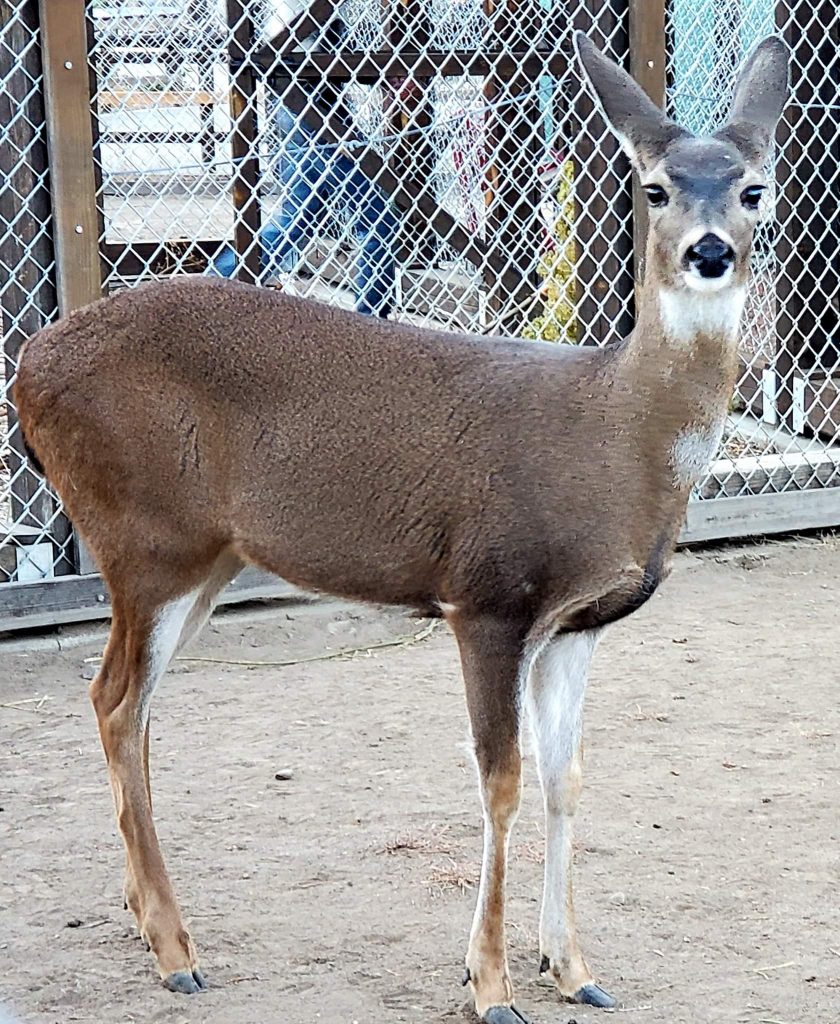
(Odocoileus hemionus)
(Procyon lotor)